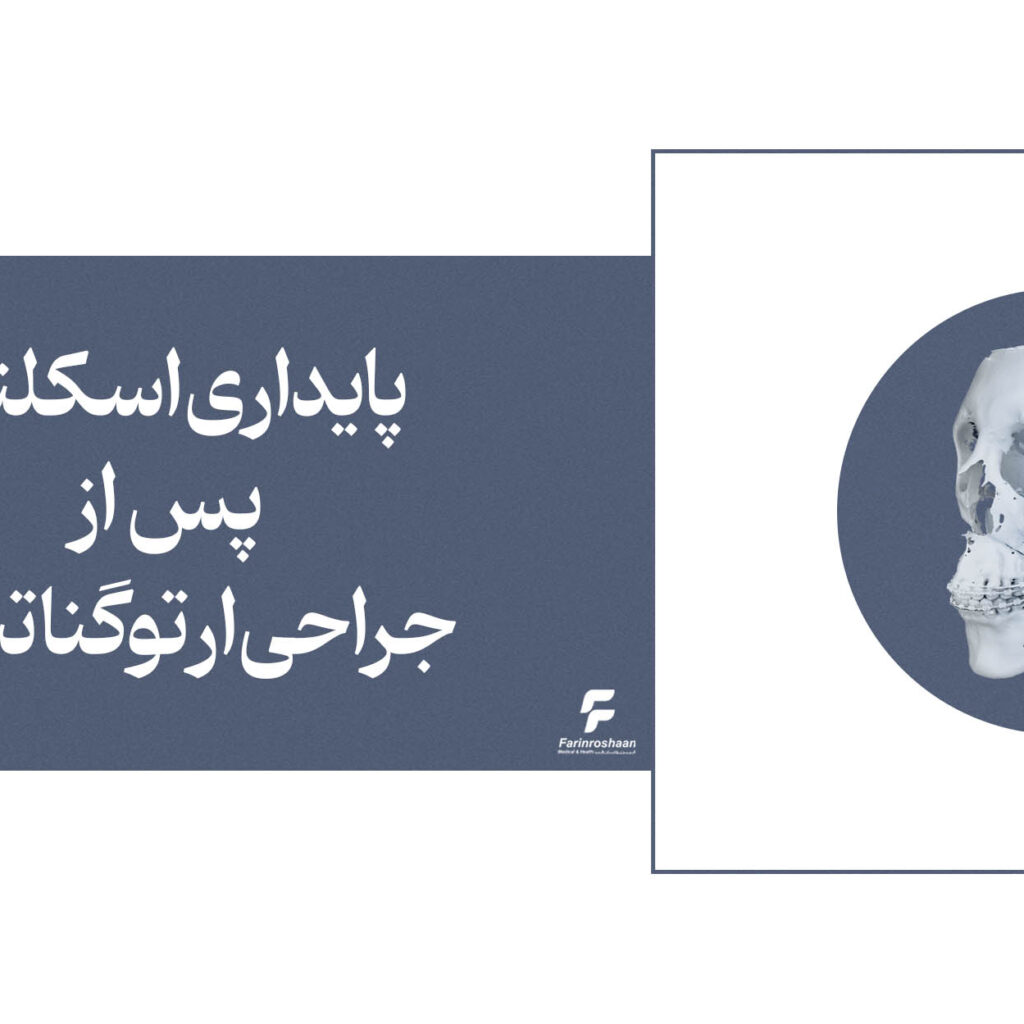
پایداری اسکلتی پس از جراحی ارتوگناتیک دو فکی

Postoperative Skeletal Stability Following Clockwise and Counter

Postoperative Skeletal Stability Following Clockwise and Counter-Clockwise Rotation of the Maxillomandibular Complex Compared to Conventional Orthognathic Treatment
(Reyneke et al., British Journal of Oral and Maxillofacial Surgery, 2007, DOI: 10.1016/j.bjoms.2005.12.015)


Introduction

This study investigates the postoperative skeletal stability of the maxillomandibular complex (MMC) following clockwise (CR) and counter-clockwise (CCR) rotational movements during bimaxillary orthognathic surgery. The rotation of the MMC changes the occlusal plane angle, which is often necessary for achieving optimal facial balance and occlusal function.
One of the major concerns after such rotational repositioning is long-term skeletal relapse. While conventional orthognathic procedures (CT) have been widely studied, few have directly compared the stability of rotated MMCs. Therefore, this study aimed to determine whether such rotational movements can maintain comparable postoperative stability to conventional techniques.


Objectives

The authors sought to:
1. Compare long-term skeletal stability among patients undergoing CR, CCR, and CT approaches.
2. Identify whether rotational techniques cause increased skeletal relapse compared to standard bimaxillary procedures.
3. Examine the time frame during which postoperative changes occur.


Materials and Methods

This comparative clinical study included adult patients who underwent bimaxillary osteotomies (Le Fort I and bilateral sagittal split osteotomies) at a maxillofacial surgery unit in Johannesburg, South Africa.
• Group 1 (CR): Clockwise rotation of the MMC—used mainly to increase the occlusal plane angle or correct vertical maxillary excess.
• Group 2 (CCR): Counter-clockwise rotation—used to reduce the occlusal plane angle or improve facial convexity.
• Group 3 (CT): Conventional bimaxillary orthognathic surgery without significant rotational change.

Rigid internal fixation techniques were employed in all cases. Cephalometric radiographs were used to evaluate skeletal stability over a long follow-up period. Key parameters measured included changes in mandibular and maxillary positions relative to stable cranial reference points.

پایداری اسکلتی پس از جراحی ارتوگناتیک دو فکی


Results
• Both CR and CCR groups showed excellent postoperative stability, comparable to the conventional treatment group.
• No statistically significant differences in relapse magnitude were found among the three groups.
• Most skeletal changes occurred within the first 6 to 12 months after surgery, followed by minimal movement thereafter.
• The rigid fixation technique played a crucial role in maintaining stability across all surgical approaches.

These findings indicate that rotational repositioning of the MMC, when properly stabilized, can be as reliable as conventional orthognathic movements.

ایمپلنت اورتوگناتیک


Discussion

The authors highlight that changing the occlusal plane angle via rotation offers important esthetic and functional benefits, such as improving facial harmony and occlusal relationships. However, surgeons have traditionally been cautious due to concerns about postoperative relapse.
This study challenges that concern by demonstrating equivalent skeletal stability for both CR and CCR techniques, provided that rigid fixation and proper case selection are ensured.

They also stress that the choice of rotation direction should be guided by individual patient characteristics:
• Clockwise rotation (CR) is suitable for long-face patients needing occlusal plane steepening.
• Counter-clockwise rotation (CCR) benefits short-face or class II patients requiring occlusal plane flattening.

Furthermore, the study underlines the necessity of accurate planning, stable fixation, and comprehensive orthodontic support before and after surgery.


Limitations
• The study was single-center, limiting generalizability.
• Sample size was modest, and subgroup analyses for TMJ status or soft-tissue effects were not performed.
• Long-term relapse beyond the follow-up period remains uncertain.
• External factors like surgeon experience and orthodontic variability were not fully controlled.


Conclusions
1. MMC rotation (both CR and CCR) in bimaxillary surgery can achieve postoperative skeletal stability comparable to conventional treatment.
2. Rigid internal fixation is critical to prevent relapse.
3. Relapse, if it occurs, tends to appear early (within the first postoperative year).
4. Rotation selection should be patient-specific, based on facial morphology and occlusal goals.
5. The findings support the safe and predictable use of rotational approaches to improve occlusal plane orientation and facial aesthetics.

In summary, this study provides evidence that rotational orthognathic movements can be both stable and esthetically beneficial, opening the door for greater surgical flexibility and precision

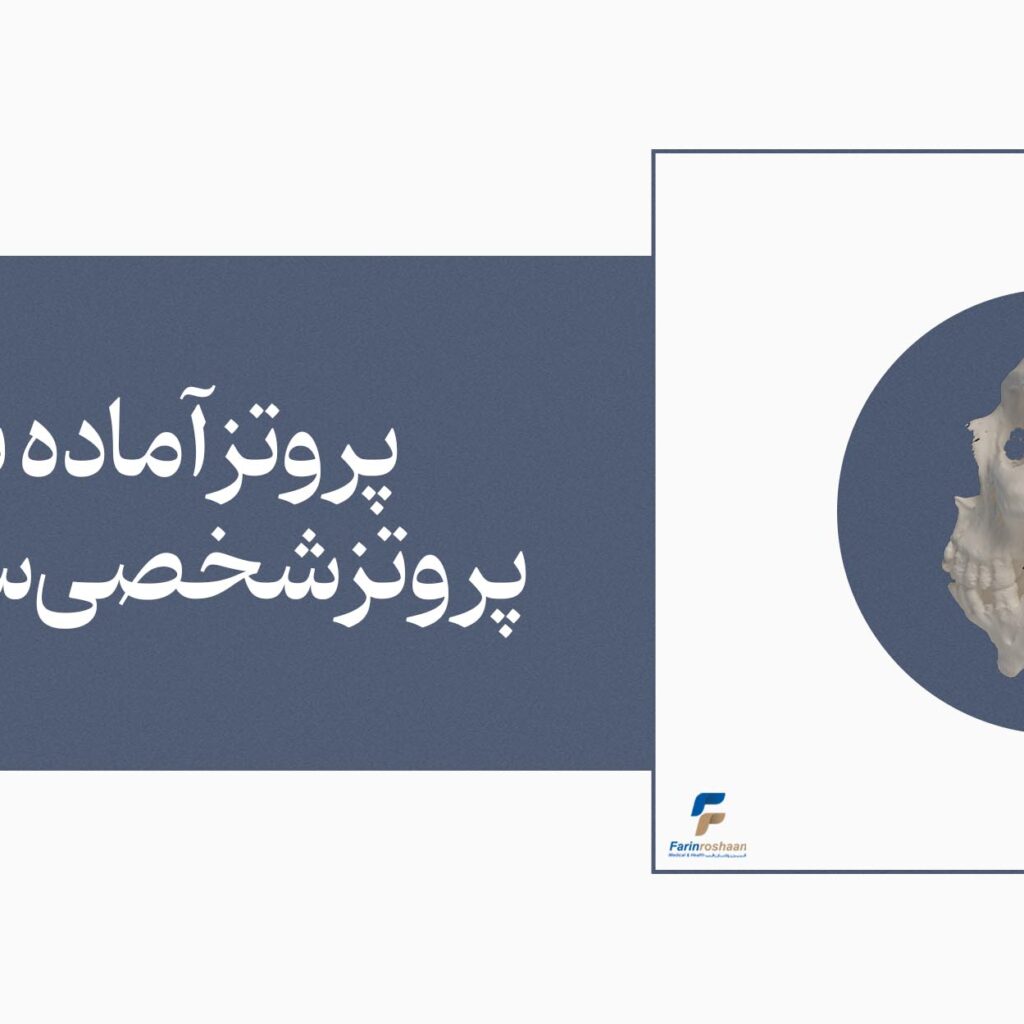
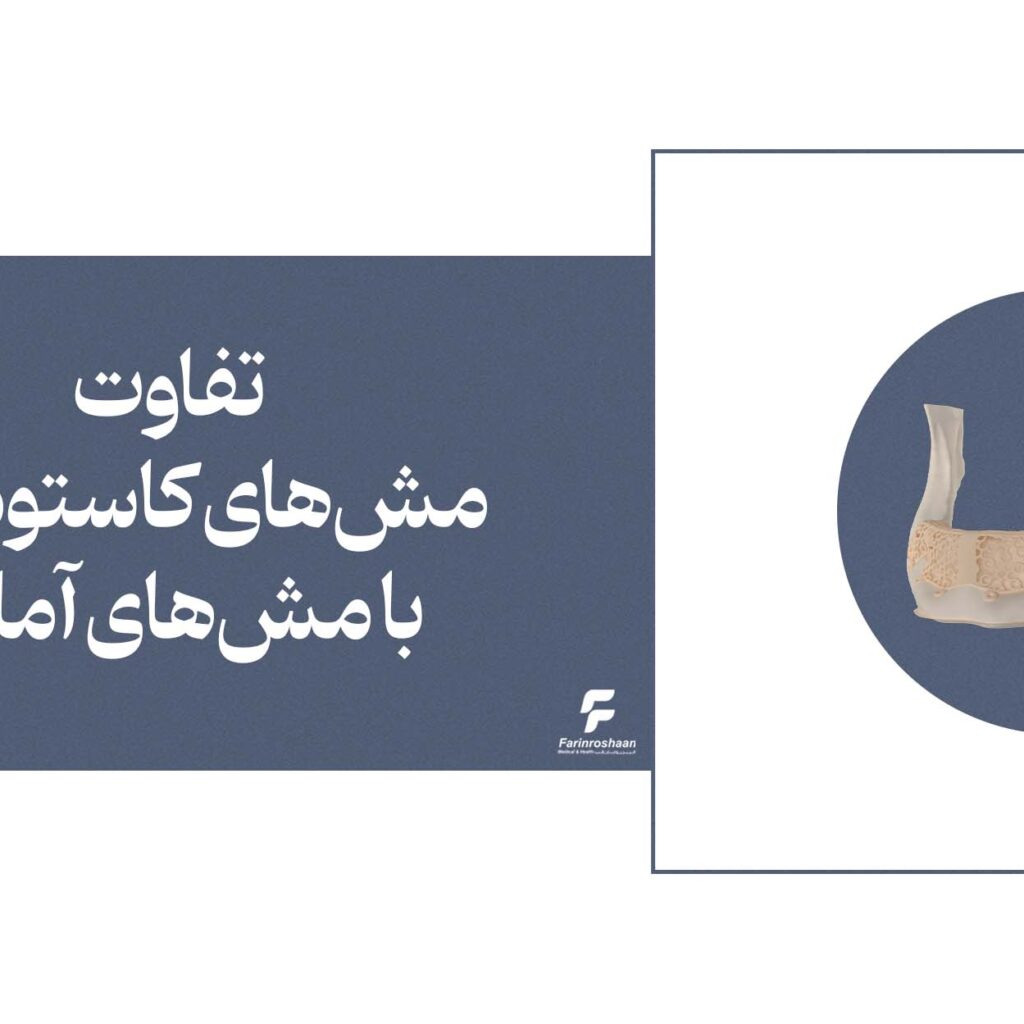
مقایسه پروتزهای آماده و شخصی سازی شده

Stock versus Custom-made Joint Prostheses for TMJ Reconstruction

Stock versus Custom-made Joint Prostheses for TMJ Reconstruction

🧠 Article Overview

In the field of oral and maxillofacial surgery, a fundamental question always arises: should surgeons use stock prostheses or opt for custom-made prostheses? Both options are available, and each has its own strengths and limitations.

A study published in 2024 addressed this question, aiming to provide a clear answer. In this research, 14 patients requiring Total Temporomandibular Joint Replacement (TMJ TJR) were divided into two groups. Seven patients received custom-made prostheses, while the other seven received stock prostheses. Postoperative outcomes such as Maximum Interincisal Opening (MIO) and pain levels were evaluated.

The results were interesting: both groups experienced a significant reduction in pain and were satisfied with the partial restoration of jaw function. In fact, whether a custom-made or stock prosthesis was used, the patients’ quality of life improved. Importantly, there was no statistically significant difference between the two groups regarding postoperative mouth opening. In other words, custom-made prostheses did not show a definitive advantage over stock prostheses in this aspect.

However, custom-made prostheses offered a notable benefit: simpler surgical experience and shorter operation time. This is important for surgeons because it reduces intraoperative complications and enhances surgical precision.

✅ Advantages of Custom-made Prostheses
• Accurate design based on patient-specific anatomy
• Reduced surgical time
• Smoother and more streamlined experience for the surgical team

✅ Advantages of Stock Prostheses
• Faster availability
• Lower cost compared to custom-made prostheses
• Comparable effectiveness in pain reduction and functional restoration

📊 Summary

This study demonstrates that both types of prostheses—stock and custom-made—can significantly improve the quality of life for patients with severe TMJ problems. However, the choice depends on patient-specific factors, available resources, costs, and the surgical team’s preference. While custom-made prostheses appear more promising in certain respects, stock prostheses remain effective and practical in many cases.

پزشکی شخصی سازی شده

‏Personalized Medicine – When Treatment is Made Just for You

‏Personalized Medicine – When Treatment is Made Just for You
‏ Personalized Medicine: The Future That Has Already Begun
‏Imagine a doctor who doesn’t just prescribe a standard drug for your illness, but instead studies your genetic profile, your lifestyle, and then offers you a treatment designed precisely for your body.
‏This isn’t science fiction. This is now. And it’s called:
‏Personalized Medicine.

‏ Traditional Medicine vs Personalized Medicine
‏In traditional medicine, patients are often grouped together. For example, 100 people with diabetes might receive similar treatments.
‏But in Personalized Medicine, that changes. Even if two people have the same disease, their genetic structure, lifestyle, family history, weight, age, gender, and environment may be completely different — and so should their treatment.

‏ How Does Personalized Medicine Work?
‏This approach relies on combining multiple technologies and types of data:
‏ 1. Genetic Analysis (DNA):
‏Every person has a unique genetic code. It helps predict which treatment works best and what diseases may pose a future risk.
‏ 2. Artificial Intelligence and Bioinformatics:
‏Intelligent systems analyze thousands of data points (from genes to lifestyle) to suggest tailored treatment strategies.
‏ 3. Continuous Health Monitoring (Wearables, Apps):
‏Devices like smartwatches or health apps gather real-time data to guide physicians in decision-making.
‏ 4. 3D Imaging and Anatomical Modeling:
‏Especially useful in surgery, these technologies enable highly precise treatment plans
پزشکی شخصی سازی شده

 Patient-Specific Implants: A Tangible Example of Personalized Medicine
‏When we hear “Personalized Medicine,” most people think of drugs or cancer treatments. But surgery has also joined this revolution.
‏In the past, jaw or skull fractures were treated using pre-made implants — generic shapes that didn’t always fit well. Today, thanks to advanced imaging, digital design, and 3D printing, we can manufacture implants that perfectly match the patient’s own bone.
‏This means:
‏ • Shorter surgeries
‏ • Fewer complications
‏ • Faster recovery
‏ • Better cosmetic outcomes
‏These implants are a perfect example of how Personalized Medicine is transforming surgery — offering accurate, individual, human-centered treatment.
ایمپلنت‌های شخصی سازی شده

 Conclusion: Why Personalized Medicine Matters
‏ • Because every person is different.
‏ • Because treatment should be made for me, not for a “group.”
‏ • Because today’s technologies let us move from one-size-fits-all to one-size-fits-one.
‏In the future of medicine, there is no “average patient.”
‏Every patient is unique.
پروتزهای زیبایی

Cosmetic Implant

Homeفک و صورت

Cosmetic Implant

Customize implants for cosmetic surgeries on the mandibular angle, cheeks, and chin offer a more suitable and reliable alternative to silicone prosthetics and titanium meshes. In cases where osteotomy of the bone in the cheek and chin area is not feasible, or where trauma has resulted in insufficient bone mass, custom titanium prosthetics provide an appropriate solution. These prostheses, being custom-made, can be designed and manufactured in any size and shape, ensuring precise facial symmetry and optimal contour restoration.

Advantages of Using Cosmetic Implants

Customizable Based on Patient Needs

The prostheses are designed and manufactured according to the patient’s skull and specific requirements.

Achieving Complete Symmetry

Utilizing aesthetic prostheses eliminates the issue of asymmetry.

Reduced Surgery Time

This method accelerates the surgical process.

portfolio


Opinions of users of this service


ایمپلنتهای ساب  پریوستیال

Subperiosteal Implant

Homeفک و صورت

Subperiosteal Implant

In cases of edentulism where the patient’s bone mass has deteriorated to the extent that endosteal implants are not feasible, custom subperiosteal implants offer a suitable alternative to traditional methods. Previously, iliac grafts and bone grafting were used to create suitable bone tissue for endosteal implants, extending treatment time and incurring significant costs for the patient. With subperiosteal implants, the implant base is designed according to the patient’s bone density and the geometry of the alveolar ridge. The dental abutments are positioned based on input from the specialist surgeon and prosthodontist. A crucial aspect of designing the dental abutments is that their position and orientation are tailored to fit the dental prostheses that will be placed on them.

Mechanical analysis is critical in the design and construction of subperiosteal implants. Initially, dental prostheses are designed using specialized software under the supervision of a prosthodontist. Subsequently, the subperiosteal implant bases are designed accordingly. The orientation of these bases is optimized so that the load transferred from the dental prosthesis to the bases is axial, avoiding the introduction of bending moments to the bases.

Since these implants are placed beneath the gums and sometimes within the oral cavity, their surface quality is of utmost importance. Therefore, the surfaces of these implants are highly polished and anodized after manufacturing.

Advantages of using subperiosteal implants

No need for bone grafting surgery

Lighter and shorter surgery

Suitability for patients unable to undergo bone grafting

Better force distribution on the jawbone

portfolio


Opinions of users of this service


سیستم نویگیشن

Intelligent Surgical System

Homeفک و صورت

Intelligent Surgical System

Intelligent surgery navigation in maxillofacial surgeries, particularly in orthognathic procedures, assists surgeons in ensuring the precise execution of pre-determined treatment plans and allows real-time visualization of jaw movements. Additionally, in surgeries involving the implantation of custom prostheses, this technology helps verify the placement of the prosthesis in the correct, pre-simulated position during surgery.

Other applications of the navigation system in maxillofacial surgeries include the removal of foreign objects and the positioning or fixation of fractured bones, such as cheekbone fractures, in cases where the surgeon lacks adequate visibility or access to the target area.

The research and development team at Farinroshaan Teb, having performed over 50 surgeries using navigation technology, has achieved an accuracy of 300 microns in orthognathic surgeries and treatment plan tracking. They are ready to offer these services to esteemed surgeons.

Advantages of Using the Navigation System

Real-Time Jaw Changes Observation

Allows real-time monitoring of jaw changes during surgery without the need for additional imaging.

Utilized in Reconstruction and Pathology Surgeries

Enables accurate assessment of the correct placement of prostheses.

Application in Foreign Object Removal

Enables accurate localization of foreign objects and live tracking.

Increased Surgical Accuracy

Ensures precise pre-determination of all incision and fixation sites.

Opinions of users of this service


گاید برشی

Cutting Guide

Homeفک و صورت

Cutting Guide

Cutting guides are essential for enhancing accuracy and reducing surgical duration in procedures such as genioplasty, Lefort osteotomy, lower jaw angle shaving, mandibular border shaving, and similar surgeries. These guides incorporate pathways for incisions and screw placements based on specific characteristics, enabling surgeons to confidently perform bone segment cuts. Additionally, in chin surgeries, the screw placements on the guides are designed so that the same holes can be used for both bone fixation and plate placement.

Cutting guides are also used for implanting prostheses that require bone sectioning. In these cases, the cutting path on the guide is designed to ensure that the prosthesis surface perfectly contacts the remaining bone surface during implantation. This guarantees a smooth fit between the bone and the prosthesis, leaving no gaps.

Advantages of using cutting guides

Pre-determination of all surgical parameters: This service allows for the pre-determination of all incision and screw placement locations

portfolio


Opinions of users of this service


جراحی ارتوگانیک

Orthognathic Surgery

Homeفک و صورت

Orthognathic Surgery

Three-dimensional modeling of the patient’s facial skeleton, conducting three-dimensional cephalometric analysis, and simulating Lefort and BSSO osteotomies using specialized software for maxillofacial surgery enable the development of a precise treatment plan. This plan, based on linear and angular measurements from reputable references and articles on maxillofacial surgery analysis, is recommended to the specialist surgeon.

The final treatment plan is determined by the specialist physician based on the results of the cephalometric analysis and the clinical examination of the patient. Upon approval of the treatment plan by the surgeon, a digital splint for the intermediate and final jaw relationship is designed with high accuracy and manufactured using 3D printing technology. The materials used in the construction of digital splints are biocompatible resins.

Advantages of using Digital Surgery Modeling in Orthognathic Surgery

High accuracy

All incision and screw placement locations can be pre-determined by this service.

Reduces manufacturing duration

Designing these plates is based on the complete simulation of the osteotomy.

Three-dimensional facial reconstruction

The service allows for three-dimensional reconstruction of the patient’s face post-surgery.

Prospect of software contact control

Custom plate design aids the surgeon in easily controlling and aligning bone segments.

Opinions of users of this service


پلیت های سفارشی

Patient Specific Plates

Homeفک و صورت

Patient Specific Plates

In osteotomies of the maxillofacial region, including Lefort, BSSO, cheek osteotomies, genioplasty, and jaw segmental osteotomies, the simulation of osteotomies and the design of custom plates support the surgeon in controlling and fixating bone segments more easily.

For designing custom plates, a cutting guide is created first, embedding the incision paths and drill hole locations. Then, the osteotomies are simulated, and the bone segments are positioned based on the surgeon’s treatment plan and computer analysis. The custom plate is designed according to the final positions of the bone segments.

These plates are manufactured using 3D titanium printers. After printing and undergoing finishing processes, they are anodized. The anodizing process creates an oxide layer on the prosthesis surface, preventing the release of metal ions. The micro-tubular structure of the oxide layer significantly aids in the osteointegration process. Additionally, anodizing enables color-coding for multi-piece prostheses and helps to mask the dark titanium color in subperiosteal prostheses that sit under the gums, ensuring that the titanium’s dark hue is not visible in the patient’s mouth.

Advantages of using custom plates

Increased surgical accuracy

The pre-determination of all incision and screw placement locations is ensured by this service.

No need for bending plates

The design of these plates is based on the complete simulation of the osteotomy.

Reduced surgery duration

The design of custom plates helps the surgeon control and align bone segments more easily.

Elimination of splints in orthognathic surgery

Fixing the custom plate at pre-determined incision sites ensures the bone segments are placed correctly.

portfolio


Opinions of users of this service


Patient Specific Implants (2)-min

Patient Specific Implants

Homeفک و صورت

Patient Specific Implants

Custom implants are among the most advanced treatments for patients who have lost part of their lower or upper jaw due to trauma or tumors. Various parts of the lower jaw, including the jaw angle, chin, and body of the mandible, can be reconstructed using custom prostheses. Additionally, it is possible to reconstruct damaged parts of the skull with these prosthetics. These prosthetics are manufactured using SLM 3D printing technology, with biocompatible titanium as the material of choice.

In cases where bone resection is required for implanting custom prostheses, a cutting guide is designed and manufactured. The cutting guide design considers the distance from adjacent tooth roots and nerves, ensuring that the bone cutting site is minimized. Additionally, after placing the prosthetic, the bone and prosthetic surfaces are in perfect contact.


An important aspect of these implants is that their design ensures the weight of the replacement prosthetic is equal to or even less than the weight of the removed bone. Furthermore, in designing prosthetics for the dental areas of the upper and lower jaw, the placement of abutments and the final implantation of dental implants are also planned, eliminating the need for additional dental implants.

Advantages of using custom prostheses

Increased surgical accuracy

Increased surgical accuracy

Reduced surgery duration

The surgical process is accelerated by this method.

Complete symmetry

The issue of asymmetry is eliminated by utilizing custom prostheses.

High strength

The use of titanium alloy provides maximum strength.

Weight matching the patient’s original jaw

The design, material, and 3D printing of the implants ensure they match the original weight of the bone segment.

portfolio


Opinions of users of this service